Deadly mosquito-borne virus spreads globally, prompting expanded CDC travel warnings
02/16/2026 / By Belle Carter
- The CDC has issued a Level 2 travel advisory (enhanced precautions) for Bolivia, Suriname, Seychelles, Kenya, Madagascar, Somalia, Sri Lanka, and China’s Guangdong Province due to 240,000+ cases and 90+ deaths from chikungunya—a mosquito-borne virus that can cause debilitating joint pain lasting months or years.
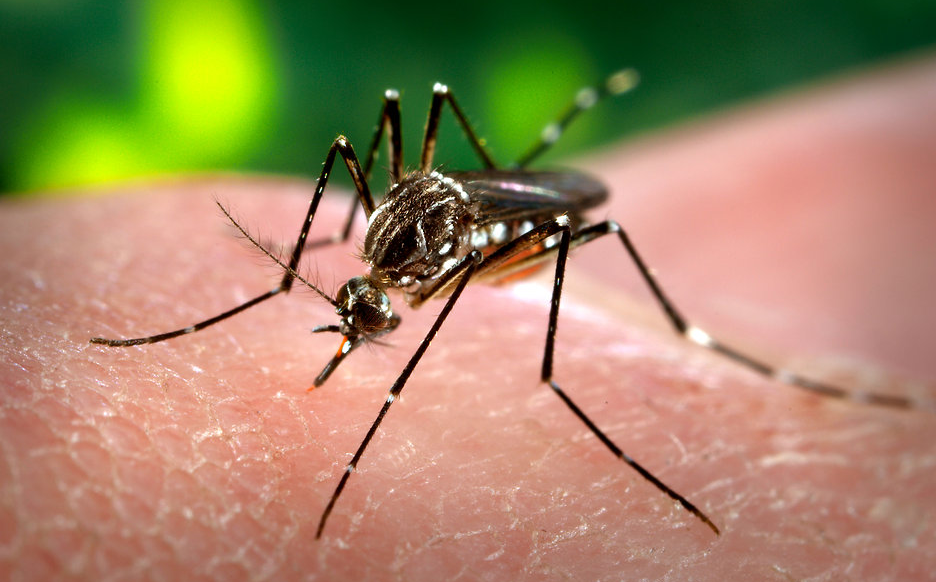
- The virus, spread by Aedes mosquitoes, causes high fever, severe joint pain (often chronic), muscle aches and rashes. Rare complications include neurological disorders (encephalitis, meningitis, Guillain-Barré syndrome). High-risk groups include pregnant women, seniors (65+) and immunocompromised individuals.
- A non-travel-related case in New York (September 2025) and prior outbreaks in Florida and Texas raise concerns about domestic spread due to warming climates and expanding mosquito habitats.
- A single-dose vaccine (claimed 99% efficacy) is promoted for travelers, but natural health advocates warn of pharmaceutical conflicts of interest and advocate non-drug prevention (DEET repellents, protective clothing, eliminating standing water).
- Climate change, urbanization and international travel are accelerating the spread of once-regional diseases, forcing scrutiny of public health policies and preparedness for potential U.S. outbreaks.
Federal health officials are sounding the alarm as a mosquito-borne virus—once confined to tropical regions—spreads aggressively across four continents, prompting expanded U.S. travel advisories.
The Centers for Disease Control and Prevention (CDC) has issued a Level 2 travel advisory for Bolivia, Suriname, Seychelles and multiple other regions due to surging cases of chikungunya, a painful and sometimes chronic viral infection transmitted by Aedes mosquitoes, the same species responsible for dengue and Zika.
Since early 2025, over 240,000 cases and at least 90 deaths have been reported worldwide, with Brazil, China and several African nations among the hardest hit. The CDC warns travelers to take “enhanced precautions,” including vaccination, insect repellent and protective clothing, as the virus—rarely fatal but capable of causing months of debilitating joint pain—continues its global march.
A resurgent threat: From tropical outbreaks to U.S. shores
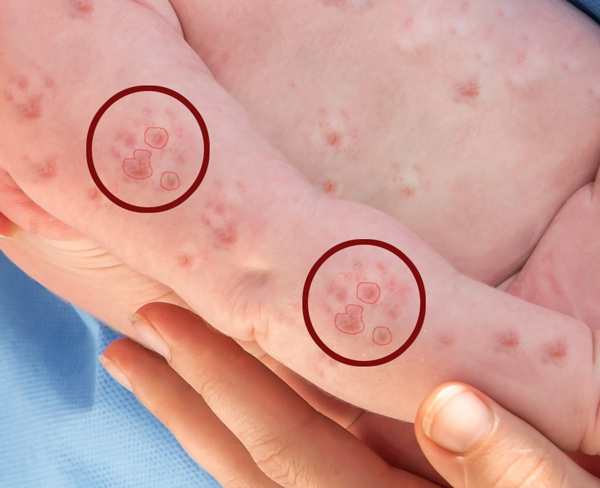
Chikungunya, which means “to become contorted” in the Makonde language, describes the stooped posture victims often assume due to severe joint inflammation. Symptoms typically emerge three to seven days after a mosquito bite and include:
- High fever
- Severe joint pain (often symmetrical, affecting hands, wrists, ankles and knees)
- Muscle aches, headaches,and rashes
BrightU.AI‘s Enoch notes that while acute symptoms usually fade within a week, up to 40% of patients develop chronic arthritis-like pain lasting months or even years. In rare cases, the virus attacks the nervous system, leading to encephalitis, meningitis or Guillain-Barré syndrome—a dangerous autoimmune disorder.
The CDC has emphasized heightened risks for:
- Pregnant women (risk of transmission to newborns)
- Older adults (65+)
- Immunocompromised individuals
Local transmission fears grow after New York case
Historically, U.S. cases have been linked to travelers returning from outbreak zones. However, locally acquired infections—where mosquitoes within the U.S. transmit the virus—have raised concerns. In 2014 and 2015, Florida and Texas reported homegrown cases. Most recently, a 60-year-old Long Island woman tested positive in September 2025 without traveling abroad, marking New York’s first locally acquired case.
Florida, a hotspot for mosquito-borne illnesses, recorded over 320 travel-related cases in 2025, alongside another local infection. Health officials fear warming climates and expanding mosquito habitats could fuel further domestic spread.
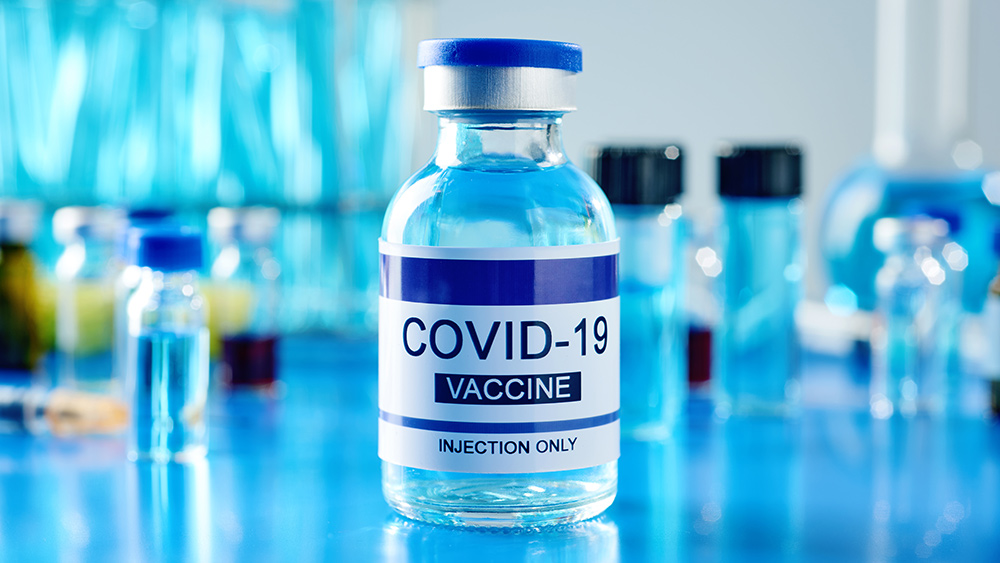
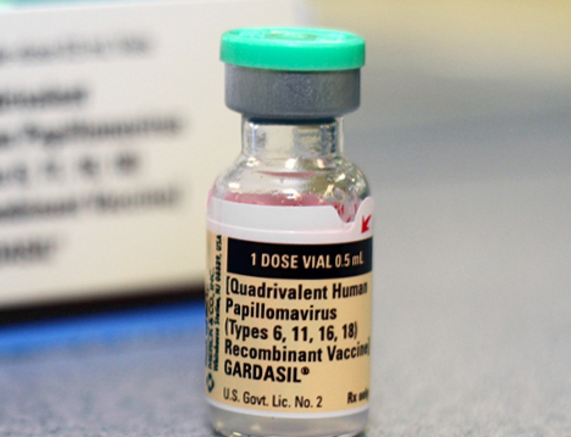
The CDC recommends a single-dose vaccine approved for travelers 12 and older, which claims 99% efficacy against symptomatic infection. Yet skepticism persists, given the agency’s history of regulatory capture by pharmaceutical interests and lack of long-term safety data for newer vaccines.
Natural health advocates argue for non-pharmaceutical defenses:
- Insect repellent (DEET, picaridin or oil of lemon eucalyptus)
- Protective clothing and window screens
- Eliminating standing water (mosquito breeding sites)
A growing global health challenge
As chikungunya spreads—fueled by climate change, global travel and urban mosquito proliferation—the CDC’s advisories underscore a troubling trend: once-regional diseases are going global. With no cure and rising case counts, the focus remains on prevention, awareness and scrutiny of public health recommendations.
For now, travelers to affected regions must weigh risks carefully—while scientists and skeptics alike question whether the next outbreak could emerge closer to home.
Watch the video below that talks about how chikungunya virus fearmongering looks like a vaccine marketing campaign.
This video is from The Prisoner channel on Brighteon.com.
Sources include:
Submit a correction >>
Tagged Under:
Aedes mosquitoes, CDC, chikungunya, chronic arthritis, dengue, enhanced precautions, global health, infections, local transmission, mosquito, outbreak, protective clothing, repellents, travel advisory, vaccines, virus, Zika
This article may contain statements that reflect the opinion of the author
RECENT NEWS & ARTICLES