The unpublished risk: Scientific censorship and lingering questions on mRNA vaccines
04/15/2026 / By Willow Tohi
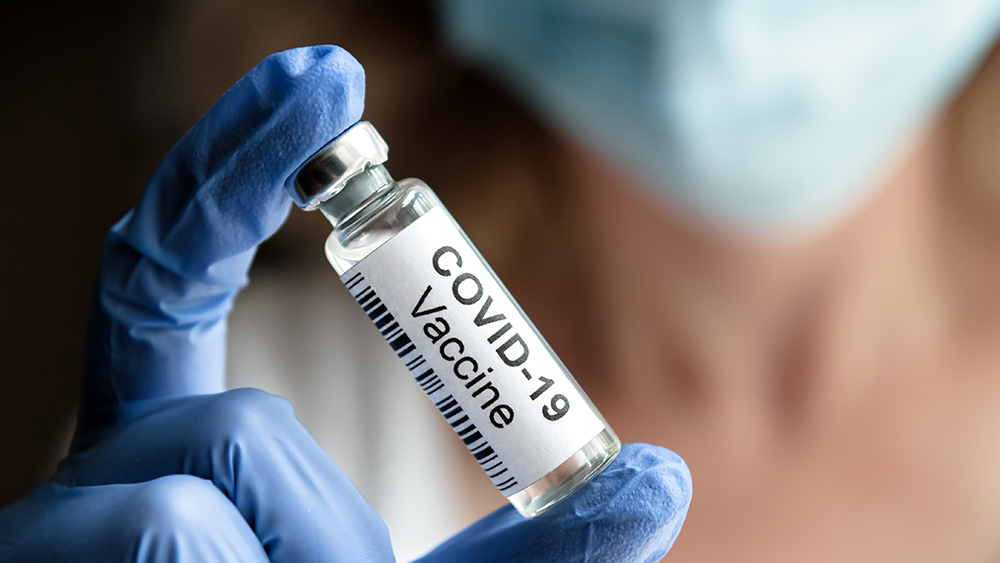
- A peer-reviewed study details a rare case of dual blood cancers in a healthy woman following mRNA COVID-19 vaccination, proposing biological mechanisms for a potential link.
- The authors faced significant publication barriers, with the paper rejected 16 times by 15 journals over two years before final acceptance.
- Researchers argue the difficulty in publishing findings that challenge the mainstream narrative poses a grave threat to scientific integrity and public knowledge.
- The study suggests lipid nanoparticles could give vaccine components “unfettered access” to bone marrow, potentially disrupting blood cell formation and immune surveillance.
- The incident raises urgent questions about censorship in scientific publishing and the completeness of long-term vaccine safety data available to the public.
A battle for publication
In February 2026, a peer-reviewed journal finally published a case study exploring a potential link between mRNA COVID-19 vaccines and blood cancers. For the authors, however, the two-year struggle to get their research into print—alleging widespread rejection by journals unwilling to challenge the mainstream narrative—may be the more significant story. This episode casts a long shadow over scientific transparency, raising critical questions about what the public truly knows about the long-term effects of rapidly deployed medical technologies and the integrity of the systems meant to vet them.
A rare and severe case
The study, published in Oncotarget, centers on a previously healthy, athletic woman in her late 30s. The morning after her second dose of Pfizer’s Comirnaty vaccine, she developed severe symptoms including a locked jaw, tinnitus and diffuse pain. Her condition deteriorated over subsequent months, leading to a startling diagnosis: acute lymphoblastic leukemia and lymphoblastic lymphoma simultaneously—a highly unusual occurrence. The woman endured years of intense treatment, including a bone marrow transplant. The paper also reviewed 30 similar published cases where blood-related cancers appeared soon after vaccination, with several noting the first signs of disease at or near the injection site.
Proposing a biological pathway
The researchers did not claim definitive causation but outlined a plausible biological mechanism. They highlighted that the lipid nanoparticles used to deliver the mRNA have “unfettered access” throughout the body, including to the bone marrow, where blood cells are produced. The paper suggests that the synthetic spike protein produced by the vaccine may persist longer than its natural counterpart and could potentially disrupt cellular processes. The authors theorize that such disruption, combined with a possible weakening of immune surveillance, could allow abnormal cells to proliferate. They cited global reports of rising and aggressive cancers as a trend that “cannot be ignored.”
An “uphill battle” against editorial barriers
A companion paper detailed the “censorship” the authors faced. Lead author Panagis Polykretis, Ph.D., stated the original manuscript was submitted to 15 journals and rejected 16 times over two years. Most rejections came from editors without peer review. In one instance, a journal accepted the paper after revisions, then suddenly rejected it for “experimental flaws”—despite it being a case report, not an experimental study. After appeal and re-review, it was accepted again, only to be rejected once more. Polykretis called this pattern “outrageous and grave for the integrity of science,” suggesting a “political will or an agenda” to block inconvenient findings.
The broader implication: A filtered scientific record
The implications extend far beyond a single paper. If studies raising safety questions are systematically hindered, the published scientific record becomes incomplete and artificially homogeneous. This shapes subsequent research, medical guidelines and public health policy based on a potentially skewed evidence base. Polykretis raised a chilling question: “Can you imagine how many scientists like us are facing this censorship?” The result, he warned, is a loss of critical information, leaving doctors and the public in the dark about potential risks.
A crisis of trust and transparency
This case arrives amid ongoing public and legal debates over pandemic-era policies, vaccine mandates and data integrity. Historically, medical progress relies on rigorous, open debate and the careful examination of adverse outcomes. The alleged barriers to publishing this study strike at the heart of that process. They fuel public skepticism and undermine trust in health authorities at a time when clear communication is paramount. Whether one views the study’s conclusions as compelling or preliminary, the difficulty in airing them for scientific scrutiny presents a fundamental challenge. Restoring faith in public health requires a commitment to transparent science where all evidence, comfortable or not, can be evaluated on its merits, free from fear of censorship. The integrity of future medical innovation may depend on it.
Sources for this article include:
Submit a correction >>
Tagged Under:
Big Pharma, biological weapon, blood cancer, Censorship, conspiracy, lipid nanoparticles, medical censorship, Medical Tyranny, spike protein, Suppressed, Tyranny
This article may contain statements that reflect the opinion of the author
RECENT NEWS & ARTICLES